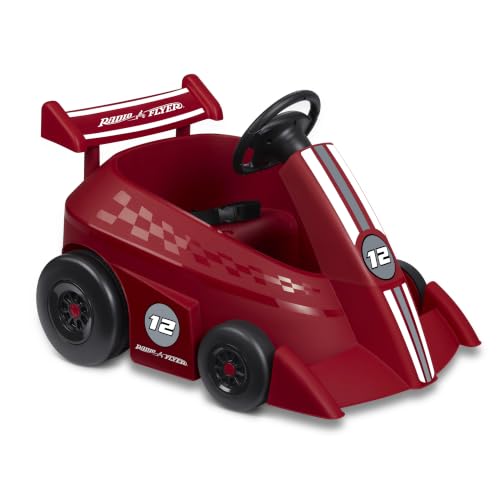
Best for 1-year-olds
Best ride-on toys for 1-year-olds
Six ride-ons for 22-30 lb one-year-olds, from unpowered foot-to-floor to parent-controlled 6V. Every speed and weight limit published.
Ride-On Cars
The biggest category and the one with the widest quality spread. Sorted by the three things that decide fit: your child's age, their current weight, and whether you want a remote.
How this page is funded: we earn a commission when you buy through our Amazon links, at no extra cost to you. It does not change which products we pick or what we say about them — the scoring rubric is published and applied the same way to every product. Full disclosure.
Price checked November 8, 2026
This is the biggest category on the site and the one with the widest quality spread. Two cars that look nearly identical in a listing photo can differ by 25 lb of weight limit, an hour of run time and three years of useful life. The specifications are the only way to tell them apart, and that is awkward, because this is also the category where listings publish the fewest of them.
How it divides
Forget body style for a moment. Ride-on cars sort along three axes, and getting all three right is the whole job:
Age, via weight. This is the one that decides fit, and the one most often got wrong because listings advertise age and constrain weight. A car marketed “3-8 years” with a 66 lb limit is a 3-5 car. Start with the age and size chart, find your child’s weight band, and shop above it.
Voltage, via terrain. 6V works on flat hard ground. 12V handles mown grass. 24V handles long grass, slopes and gravel. If you have a lawn, 12V is the floor; if you have a slope, it is 24V. See voltage explained.
Control, via the remote. Under four, a remote is close to essential. Four to six, it is genuinely useful. Over six, it mostly goes in a drawer. The good news is that a remote costs very little to add at manufacture, so most 12V and 24V cars have one — see ride-on toys with a parent remote.
What to buy first
For most families buying a first powered ride-on for a three-to-five-year-old: a 12V single-seat car with a 7Ah battery, a parent remote with at least three speed settings, a three-point harness rather than a lap belt, and a published weight limit of 66 lb or more. That combination is widely available between $130 and $240, and the specification matters far more than which car it is styled as. The roundup is best 12V ride-on cars.
If the budget is tighter, the honest answer is a 6V vehicle rather than a cheap 12V one — a well-built 6V car with a published spec sheet beats a 12V car whose seller will not say what it weighs or how fast it goes. See best 6V ride-on toys and ride-on cars under $200.
Licensing
A licensed Ford, Jeep, Mercedes or Lamborghini body costs more, and what you are paying for is the bodywork and the badge. The drivetrain underneath is usually the same generic 12V or 24V platform as the unlicensed car beside it. That is not a criticism — children care enormously about the car being a real car, and the bodywork is often genuinely better molded — but it does mean a licensed body is not a proxy for mechanical quality. The comparison is on licensed vs unlicensed ride-on cars, and the licensed options are on best licensed ride-on cars.
The mistake
Buying the car the child points at without checking the weight limit, and discovering eight months later that it is already over. The second most common is buying a 4.5Ah battery when a 7Ah one was available for $20 more — the capacity difference is roughly 50% more run time, and it is the single best value upgrade in the category.
Both errors are avoidable in about two minutes: weigh the child, read the weight limit, read the amp-hour figure. Where a listing will not tell you either, that is information too.
Ranked roundups
Each roundup compares its picks on the same nine specifications. Prices below are the current Amazon price for each roundup's top pick, checked November 8, 2026.
Best for 1-year-olds
Six ride-ons for 22-30 lb one-year-olds, from unpowered foot-to-floor to parent-controlled 6V. Every speed and weight limit published.
Best for toddlers
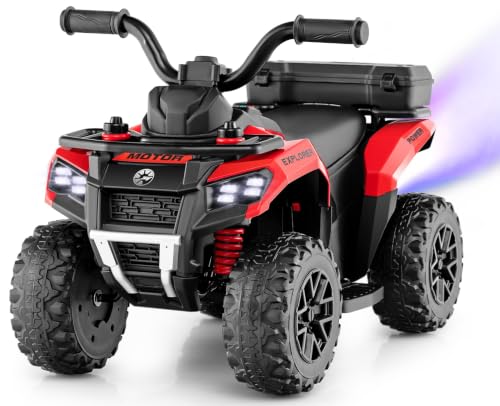
Seven ride-ons for the 1-3 span, sorted by developmental stage — pushed, foot-powered, then 6V with a remote.
Best for 2-year-olds
Six 6V ride-ons for 26-34 lb two-year-olds, every speed and weight limit published, with parent control weighted heaviest.
Best for 3-year-olds
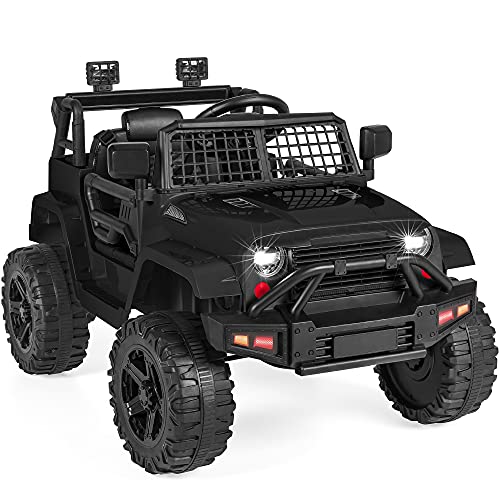
Seven 12V ride-ons for 30-40 lb three-year-olds, with the weight limit stated up front and what to check if your child is tall for three.
Best for 4-year-olds
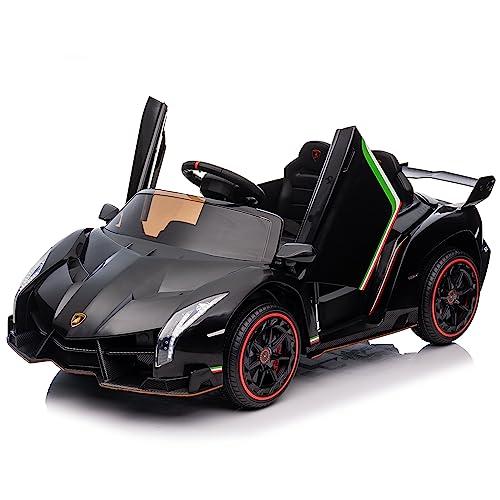
Six 12V ride-ons for 34-45 lb four-year-olds, with the weight limit and speed band published on every one.
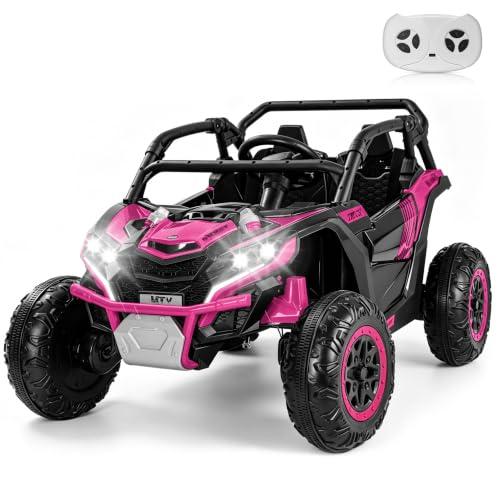
Best for 5-year-olds
Six picks for 38-52 lb five-year-olds across both 12V and 24V, with the weight and speed arithmetic for choosing between them.
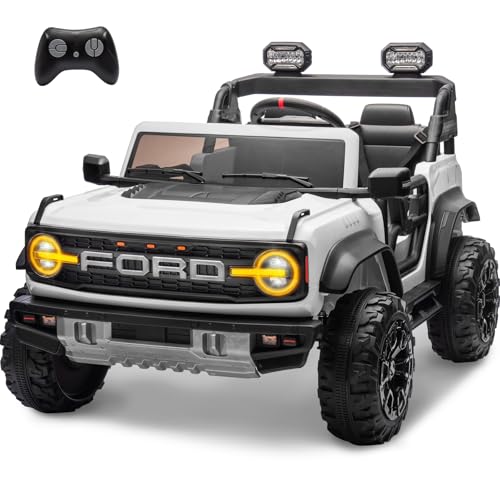
Best for 6-year-olds
Six 24V picks for 42-58 lb six-year-olds, with published weight limits from 110 to 135 lb and seat widths in inches.
Best 6V
Six 6V ride-ons for 18 months to 3 years, every published speed between 0.93 and 2 mph.
Best 12V
Seven 12V ride-on cars ranked on published specs — weight limit, speed band, capacity and run time.
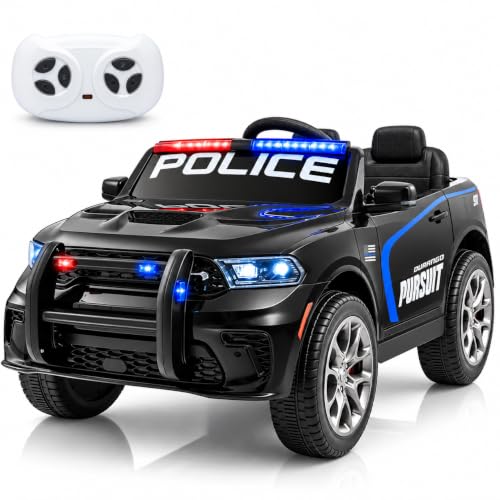
Best with a remote
Seven remote-equipped ride-ons ranked on override behavior, published range and named speed steps.
Best 2-seater
Seven two-seaters with published limits of 110 lb or more and seat widths from 19 to 22 inches.
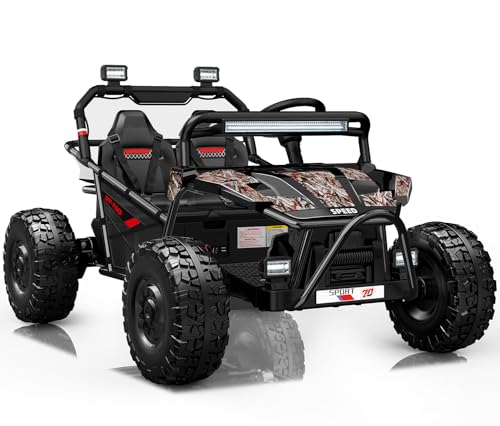
Best rubber tires
Six ride-ons with EVA or rubber tires as standard, plus the retrofit options for a vehicle you already own.
Best under $200
Seven ride-ons currently under $200, ranked on how much published specification each one gives you for the money.
Most durable
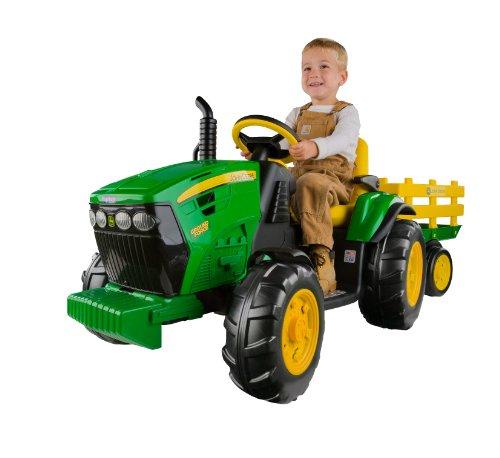
Six ride-ons judged on frame construction, weight-limit headroom and parts availability years after purchase.
Best Bluetooth
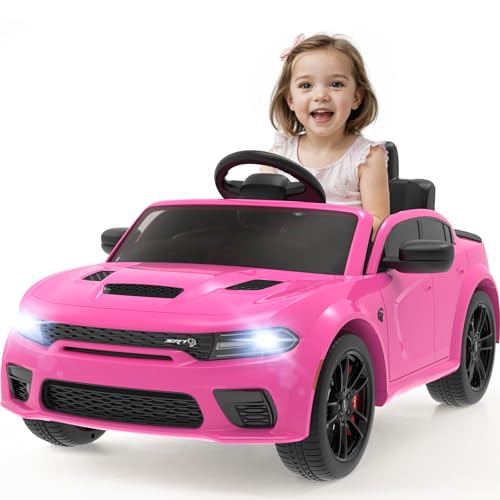
Six ride-ons with genuine Bluetooth, USB or FM, and what to check beyond the word 'music' in the listing.
Best ride-on Jeeps
Six licensed Jeep and Bronco ride-ons from 12V to 24V, with published limits from 55 to 132 lb.
Best ride-on trucks
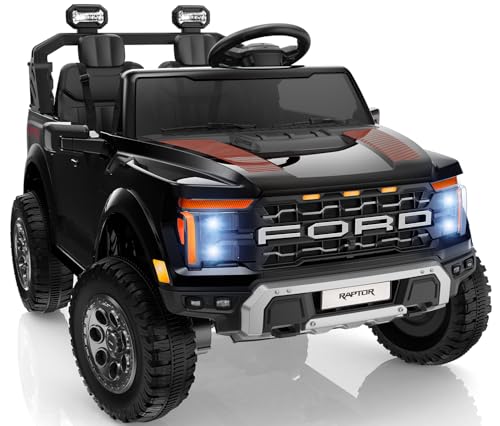
Seven ride-on trucks from 12V single-seaters to 132 lb 24V two-seaters, including working dump beds.
Best licensed
Seven officially licensed ride-on cars, with what the license changes and what it doesn't.
Best Peg Perego
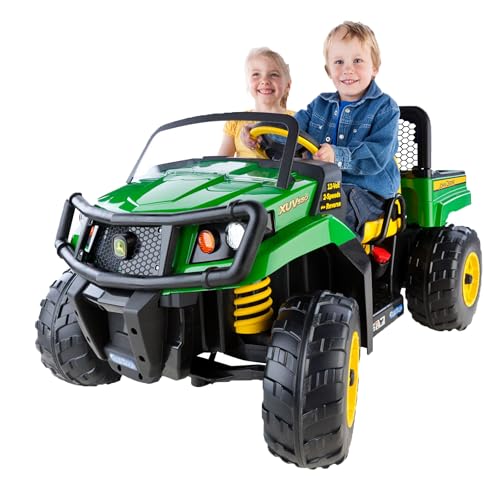
Six Peg Perego ride-ons, with the brand's build and parts advantage weighed against its spec disclosure.
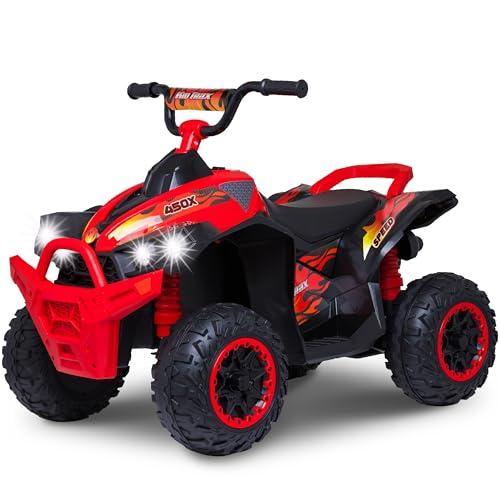
Best Kid Trax
Seven Kid Trax ride-ons from 6V Disney quads to 12V ATVs, CAT backhoes and semi trucks.
Best Radio Flyer
Six Radio Flyer ride-ons for 1-4 year olds, including the convertible that genuinely spans the stage.
Best gifts
Seven ride-ons that work as gifts, plus the four things to check with the parents before you buy.
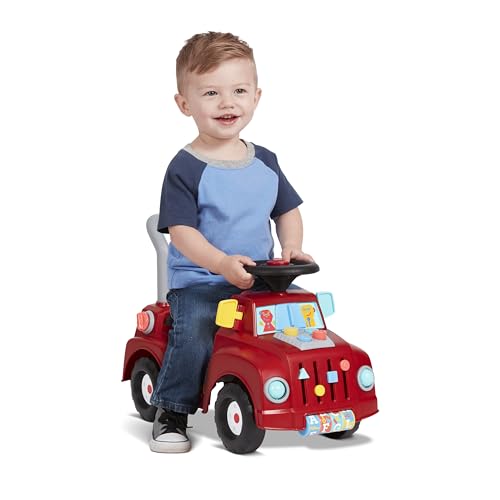
Best first ride-on
The right first ride-on at each stage from twelve months to four years, and the three mistakes to avoid.
Model reviews
One model per page, with its complete nine-spec sheet and an honest account of what the maker leaves out.
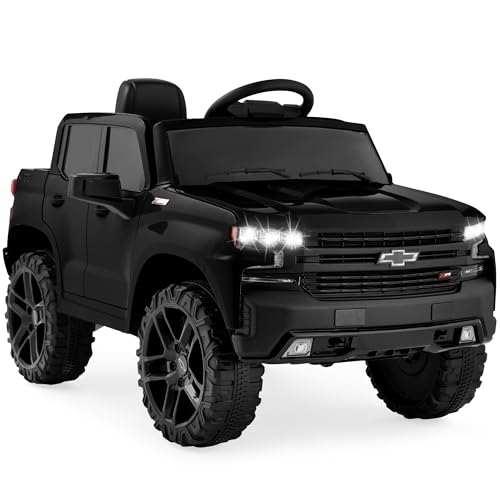
Best licensed 12V truck
A licensed 12V Silverado with a working truck bed, 2.5 mph, 66 lb and a published one-hour run time.
Best convertible
The convertible that goes from parent-pushed to 6V self-drive across a genuine 1.5 to 4 year span.
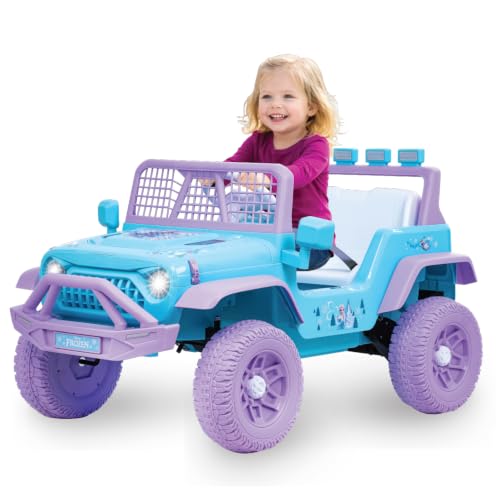
Best licensed Disney
A licensed Disney 12V 4x4 with a published 4.5Ah capacity, 2.5 mph, 66 lb and a parent remote.
Head to head
The decisions that stall a purchase, settled with the same nine specs on both sides.
1 vs 2 seats
One seat or two, with the weight arithmetic that decides it and the case for a two-seater with one child.
Licensed vs unlicensed
What an official vehicle license changes on a ride-on and what it leaves exactly as it was.
Other categories