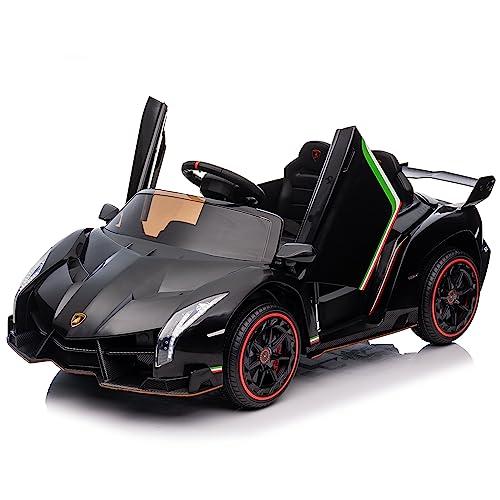
12V vs 24V
12V vs 24V ride-on toys
What actually changes between 12V and 24V — weight limit, motor count, grass ability — and when to pay for it.
Guides
The reference pages. Voltage, weight limits, speed and run time explained once, properly, so every roundup on this site can point back here instead of repeating itself.
How this page is funded: we earn a commission when you buy through our Amazon links, at no extra cost to you. It does not change which products we pick or what we say about them — the scoring rubric is published and applied the same way to every product. Full disclosure.
Price checked November 8, 2026
These are the reference pages. Voltage, weight limits, speed, run time and safety are explained here once, properly, so every roundup on the site can point back to a single set of numbers instead of restating them and slowly contradicting itself.
That matters more than it sounds. When we looked at the ten pages currently ranking for the main terms in this category, nine of them either contradicted themselves on voltage, speed, weight or run time across their own pages, or omitted those figures entirely. A site that states a car’s top speed as 3 mph on one page and 5 mph on another is not doing the reader any good, and the only durable fix is to hold each number in one place.
Start here
If you read nothing else before buying, read these four. They answer the questions that decide whether a purchase works:
Then
After those, the guides that answer the questions people ask after buying. Run time and charging explains the ten-to-one ratio between charging and playing that nobody warns you about. The parent remote covers range, override behavior and what to do when the remote is lost. The terrain guide answers whether the vehicle will work in your specific yard.
And the ones about keeping it going: weather and storage, the maintenance checklist, and how long Power Wheels last — which is mostly a question about batteries, not vehicles.
Safety
Four pages, linked from every age and body-style roundup on the site, because the questions come up on every one of them: are ride-on cars safe, the pre-ride safety checklist, seat belts and harnesses, and weight limits again, because the weight limit is a safety specification as much as a fit one.
None of these pages will tell you a ride-on is risk-free, because none of them can. What they will tell you is which specific risks are real, which published specifications address them, and what the US safety standards actually require — with the sources listed so you can check.
Method
Every number on this site comes from the manufacturer’s own published specification for that exact model, read off its current listing. Where a manufacturer does not publish a figure, the row says so rather than carrying our estimate — and that happens often enough to be the most informative thing on some pages.
We do not have a test lab and we do not claim one. What we do instead is read every listing properly, hold each figure in one place, and publish the scoring rubric so you can see how a ranking was reached. The full method is on how we pick and the standards we hold ourselves to are on our editorial policy.
Head to head
The decisions that stall a purchase, settled with the same nine specs on both sides.
12V vs 24V
What actually changes between 12V and 24V — weight limit, motor count, grass ability — and when to pay for it.
6V vs 12V
6V against 12V on speed, weight limit and grass ability, with the one question that decides it.
Car vs balance bike
What a ride-on car and a balance bike each do for a toddler, and why the honest answer is often both.
Reference
The explainers behind the picks — voltage, weight limits, run time, and what to do when something stops working.
Voltage reference
6V, 12V, 24V and 36V compared on speed, weight limit, grass ability and run time — the reference table the rest of the site cites.
Age & size reference
Weight band, voltage, seat count and remote advice for every age from 1 to 11+, built on CDC growth percentiles rather than marketing copy.
Weight limit reference
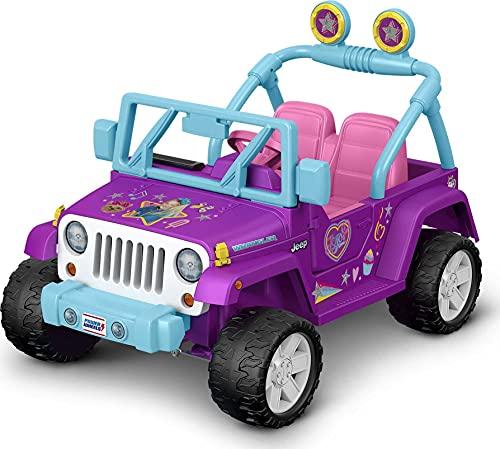
What a ride-on weight limit actually constrains, which components fail when you exceed it, and the published limits across 44 lb to 220 lb.
Speed reference
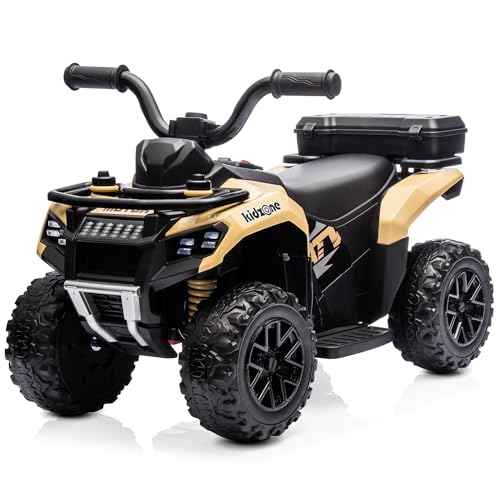
Published top speeds by voltage from 0.93 mph to 17.4 mph, with the speed that genuinely suits each age and how speed settings work.

Remote reference
What a 2.4GHz parent remote controls, the published ranges from 65 to 98 feet, override behavior, and how to replace a lost one.
Charging reference
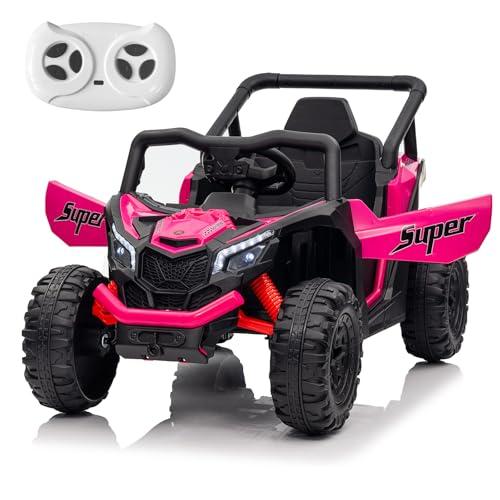
Published run times and charge times across 126 models, the ten-to-one ratio nobody warns you about, and the three ways to improve it.
Safety reference
The real injury risks on a powered ride-on, what ASTM F963 and the CPSC require, and the specs that actually reduce risk.
Safety checklist
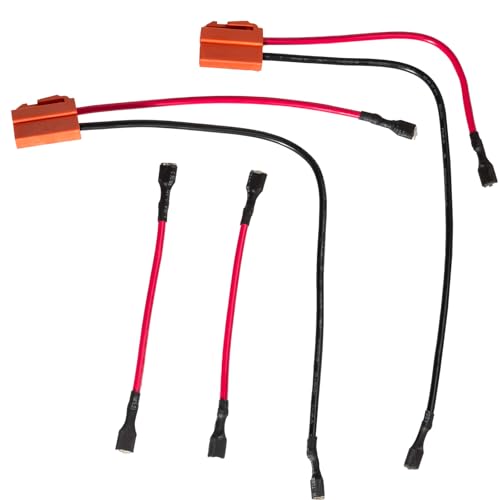
The one-minute pre-ride check, the monthly check, and the seasonal inspection — what to look at and what each fault means.

Restraint reference
Lap straps versus 3-point and 5-point harnesses, which vehicle types have no restraint by design, and how to adjust one properly.
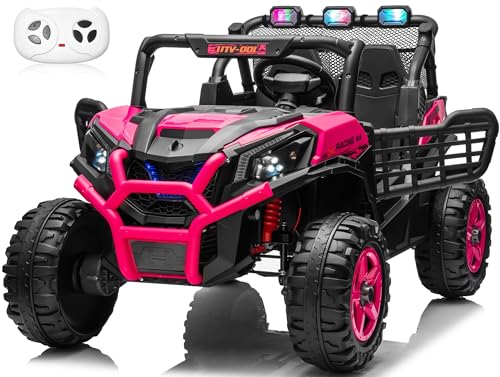
Terrain reference
What it takes to move on grass, dirt, gravel and slopes: voltage, motor count and tire material, with the vehicles that manage each.
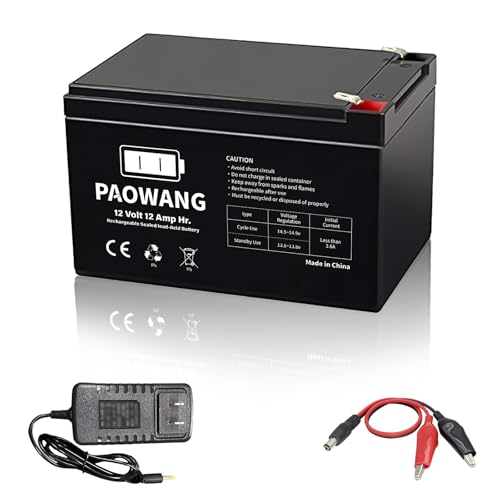
Storage reference
What rain, sun and cold actually damage on a ride-on, and the winter storage routine that keeps the battery alive.
Assembly reference
Realistic assembly times, the tools you need, and the three steps — wheel retainers, steering alignment, first charge — that cause most problems.
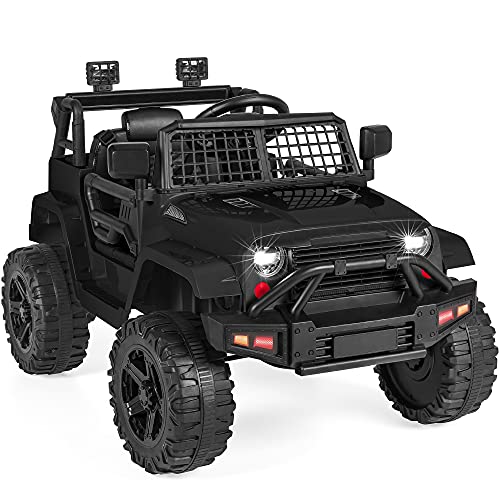
Buying method
The six questions to answer in order — weight, terrain, control, seats, run time, budget — with the published spec to check at each step.
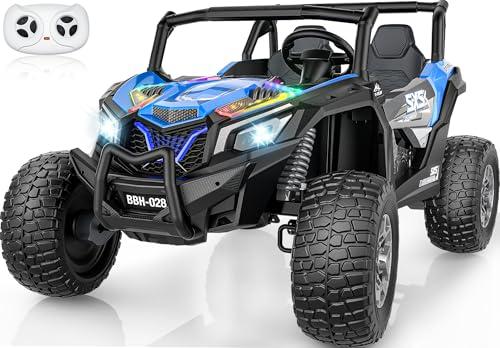
Longevity reference
The three ways a child outgrows a ride-on — weight, speed and interest — when each happens, and what to buy next.
Other categories