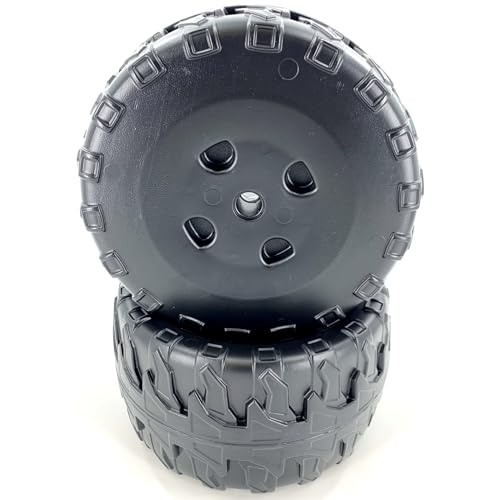
Rubber vs plastic
Rubber vs plastic tires on ride-on toys
EVA and rubber against hard plastic on grip, noise and comfort, and whether retrofitting pays.
Batteries & Parts
A ride-on almost never dies of old age. It dies of a flat battery, a lost charger or a melted connector — all of which cost a fraction of a new vehicle.
How this page is funded: we earn a commission when you buy through our Amazon links, at no extra cost to you. It does not change which products we pick or what we say about them — the scoring rubric is published and applied the same way to every product. Full disclosure.
Price checked November 8, 2026
A ride-on almost never dies of old age. It dies of a flat battery, a lost charger or a melted connector, and all three cost a small fraction of a replacement vehicle. This is the most useful category on the site in terms of money saved, and the least glamorous.
Diagnosis first
Before buying anything, identify the fault. Four symptoms cover nearly everything:
The misdiagnosis that costs the most is buying a battery when the charger is the fault. A charger is $10 to $14; a 24V battery is over $100. Test the charger first — the troubleshooting pages walk through how.
Batteries
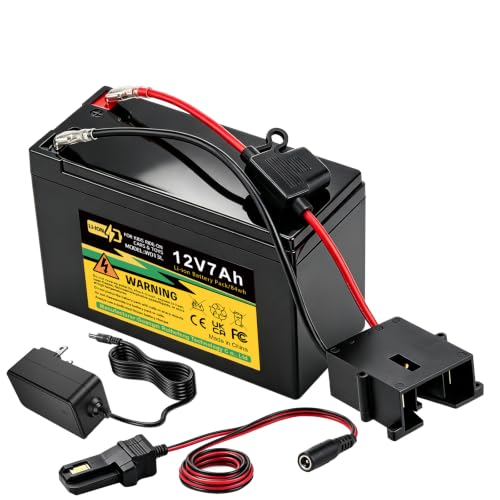
Three things have to match, and only two of them are obvious. Voltage must be exact: 6V, 12V or 24V. Capacity in amp-hours can go up but never down — replacing a 7Ah with a 12Ah gives roughly 70% more run time for about the same money, provided the battery tray physically fits. The connector is the one that catches people: Power Wheels uses gray and blue proprietary plugs, Peg Perego uses its own blue connector, and generic vehicles use bare F1 or F2 terminals.
If the connector is wrong, it is a $10 harness rather than a problem — see the connector options on replacement parts by brand. The capacity question is covered in detail on 7Ah vs 10Ah vs 12Ah, and the upgrade path on ride-on battery upgrades.
Chargers
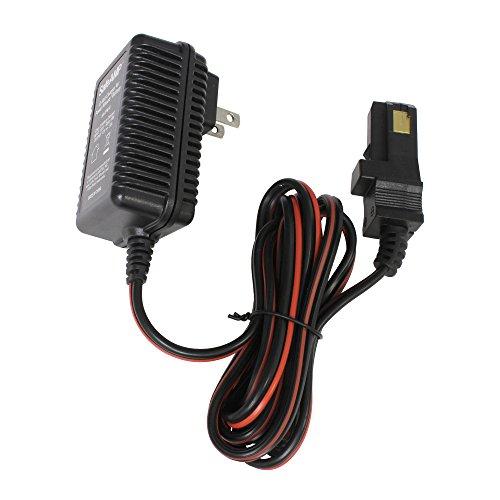
Match the voltage, match the connector, and prefer a UL Listed unit. That last point is the only charger specification worth paying for: this is a mains-powered device that sits plugged in overnight near a child’s bedroom, and UL listing means it has been independently safety-tested. Our registry includes both UL Listed chargers at $12 to $14 and uncertified ones at $9. The $3 is worth it.
See best ride-on car chargers.
Upgrades
Two upgrades are genuinely worth doing. Rubber or EVA tires over hard plastic transform grip on grass and cut the noise indoors — see rubber tire upgrades. A larger battery is the best value change available.
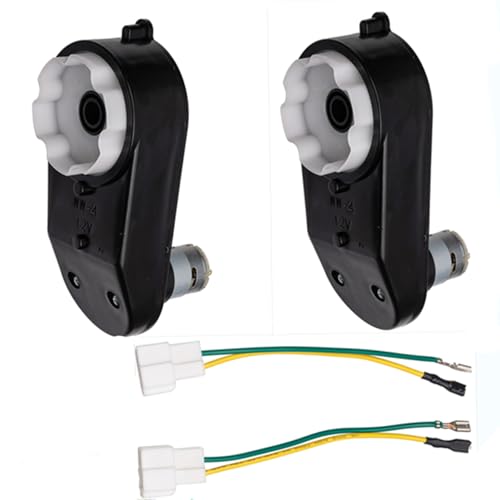
The one we are more cautious about is a motor swap for speed. The parts are cheap and the effect is real — an RS550 at 40,000 RPM against a stock RS390 at 16,000 is a large change. It also takes the vehicle outside the speed it was built and certified for, shortens run time because the motors draw more current, and loads the gearbox and wheel hubs harder. We cover it honestly on motor upgrades, including when not to.
Head to head
The decisions that stall a purchase, settled with the same nine specs on both sides.
Rubber vs plastic
EVA and rubber against hard plastic on grip, noise and comfort, and whether retrofitting pays.
Reference
The explainers behind the picks — voltage, weight limits, run time, and what to do when something stops working.
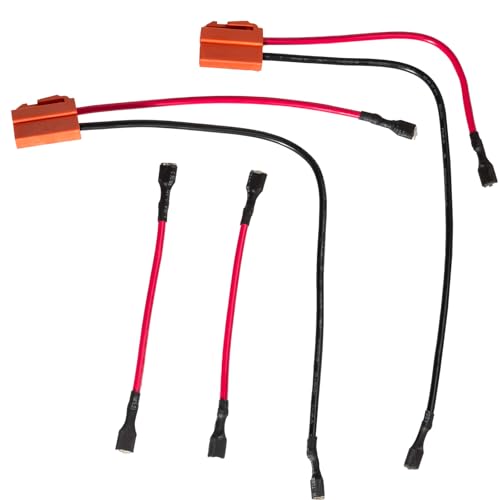
Maintenance reference
The monthly five-minute and seasonal fifteen-minute routines, what each finding means, and which parts to keep on hand.
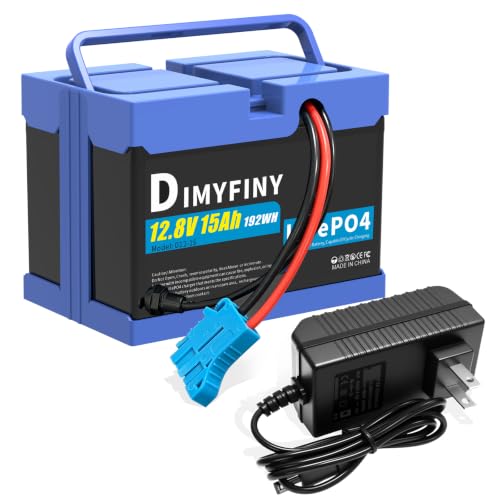
Best 12V batteries
12V replacement batteries from 7Ah to 15Ah, with the connector types explained and the upgrade path.
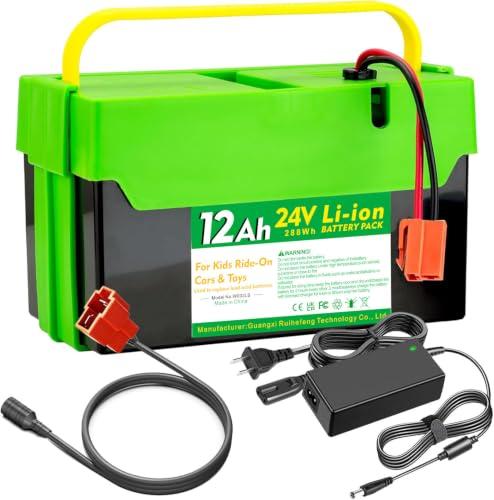
Best 24V batteries
24V replacement batteries at 7Ah and 12Ah, lead-acid and lithium, with compatibility and cost explained.
Best chargers
Replacement chargers for 6V, 12V and 24V, with UL listing explained and connector types matched.
Battery replacement
How to identify, buy and fit a replacement ride-on battery, with the connector and first-charge details.
Capacity compared
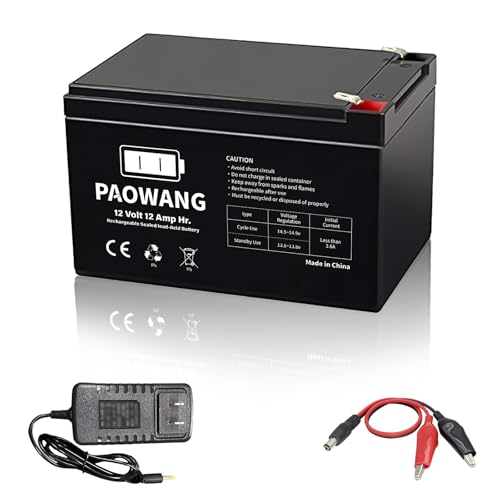
What going from 7Ah to 10Ah or 12Ah actually changes, what to measure first, and what it does not improve.
Charging fault
The diagnostic order for a ride-on that will not charge: charger, connector, fuse, then battery.
Drive fault
Diagnosing a ride-on that will not drive: gearbox, motor, shift switch or pedal switch, and what each costs.
Battery lifespan
How long sealed lead-acid ride-on batteries last, the end-of-life signs, and the habits that double their life.
Battery upgrades
Three legitimate battery upgrades — capacity, lithium, a second pack — and the voltage upgrade not to do.
Motor upgrades
What RS390 and RS550 motors mean, what a swap costs and changes, and the honest case against speed upgrades.
Tire upgrades
Replacement wheels and traction bands for a ride-on, with the part-number rule and what each fixes.
Parts by brand
Which brands have real parts channels, how to find a part number, and the universal parts that fit anything.
Other categories