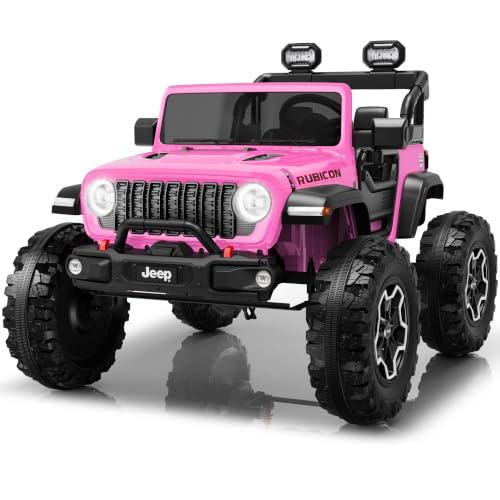
Best for 7-year-olds
Best ride-on toys for 7-year-olds
Six picks for 46-66 lb seven-year-olds — 24V two-seaters with 130 lb+ limits, go-karts and the gentlest dirt bikes.
Power Wheels
The 12V and 24V end of the market, where weight limits and top speeds start to matter more than styling. Every pick below is compared on the same nine specifications.
How this page is funded: we earn a commission when you buy through our Amazon links, at no extra cost to you. It does not change which products we pick or what we say about them — the scoring rubric is published and applied the same way to every product. Full disclosure.
Price checked November 8, 2026
“Power Wheels” has become a generic term the way “Hoover” did, and that causes real confusion when you shop. Power Wheels is a specific Fisher-Price brand, and most of what sells under the phrase is not one. Both can be a good buy — but they are built to different standards and the specifications show it.
The distinction
The genuine Fisher-Price vehicles have two advantages that matter years after purchase. The first is the weight limit: the Power Wheels Jeep Wrangler in our registry publishes 130 lb, against 55 to 77 lb for a typical generic 12V car. That difference is in the frame and the gearboxes, not the marketing. The second is parts: batteries, chargers, wheels and gearboxes for Power Wheels vehicles are stocked years after the model is discontinued, with real Fisher-Price part numbers you can search for. A generic 12V car with a cracked wheel hub is usually finished.
What genuine Power Wheels do not have is a parent remote. Fisher-Price has never fitted one. Instead they use a two-speed system with a screw-in limiter that physically stops the pedal reaching the high setting — and honestly, for a child old enough for a 130 lb vehicle, that is usually the right trade. A four-year-old needs a remote. A seven-year-old needs a speed lock.
The alternatives are covered on Power Wheels alternatives, and the brand-versus-brand question is settled on Power Wheels vs Peg Perego and Power Wheels vs Best Choice Products.
What to buy first
If your child is under five and this is their first powered vehicle, start with a 12V car with a parent remote rather than a genuine Power Wheels — the remote matters more at that age than the frame does. If your child is five or over, or already has a 12V car they have outgrown, go straight to 24V: the weight limit roughly doubles and the speed goes from walking pace to jogging pace.
The specific case this hub exists for is the big kid — seven and up, over 60 lb, bored of a 12V car. That is where the generic market thins out and the published weight limits start to matter more than anything else. See ride-on toys for big kids.
Price
Three things, in order of impact. Voltage is the biggest: a 24V vehicle costs roughly twice a comparable 12V one, because it carries twice the battery and usually four motors instead of two. Licensing is the second — an officially licensed Ford, Jeep or Mercedes body adds a meaningful premium for bodywork alone, with no change to the drivetrain. Seat count is third, and the one most likely to be sold to you without the matching weight limit.
What does not reliably track price is build quality. We have 12V cars in the registry at $140 and $240 with identical published specifications, and 24V two-seaters at $220 and $550 whose spec sheets differ mainly in seat width and weight limit. The published specs are a better guide than the price tag, which is why we print all nine of them on every page.
The mistake
Buying on top speed. A 5 mph figure on the box reads as exciting and arrives as a problem: 5 mph is faster than you can walk, so you cannot reach the vehicle to stop it. The vehicles worth buying publish a speed band — 1.2 to 4 mph, or 3.5 to 5.0 mph — because the low end is the number you will actually use for the first year.
The second error is reading a two-seat body as a two-child vehicle. It is not, unless the weight limit says so. Check it against both children added together before you believe the seat count; there is a full explanation on ride-on toy weight limits.
Ranked roundups
Each roundup compares its picks on the same nine specifications. Prices below are the current Amazon price for each roundup's top pick, checked November 8, 2026.
Best for 7-year-olds
Six picks for 46-66 lb seven-year-olds — 24V two-seaters with 130 lb+ limits, go-karts and the gentlest dirt bikes.
Best for 8-year-olds
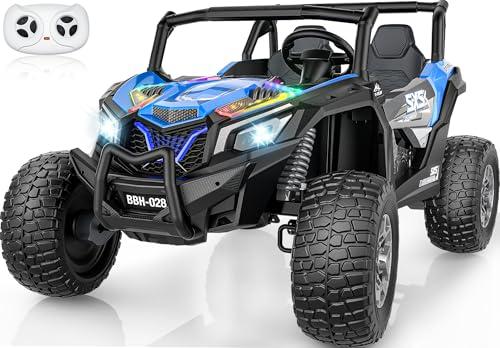
Six picks for 50-75 lb eight-year-olds: the 24V vehicles with 135 lb+ limits, go-karts, and the first real dirt bikes.
Best for 8-10 year olds
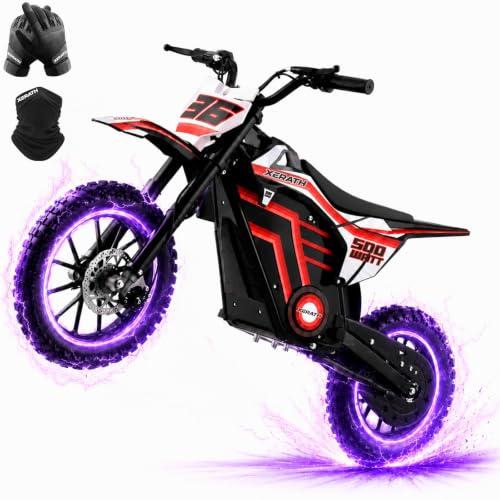
Six picks for 56-90 lb eight-to-ten-year-olds: the 140-220 lb vehicles and the 36V dirt bikes that genuinely fit.
Best for big kids
Every vehicle in our registry with a published weight limit of 130 lb or more, ranked by what the limit actually buys you.
Best 24V
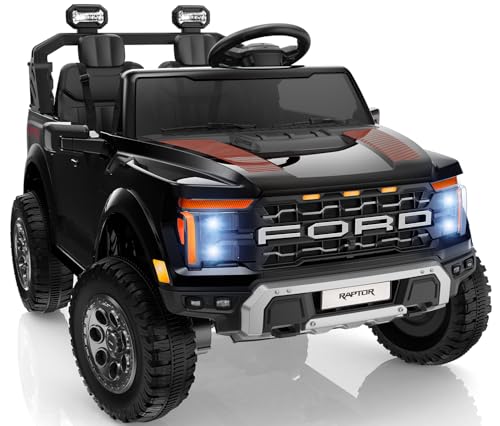
Seven 24V vehicles with published limits from 110 to 220 lb, ranked on how completely each one documents itself.
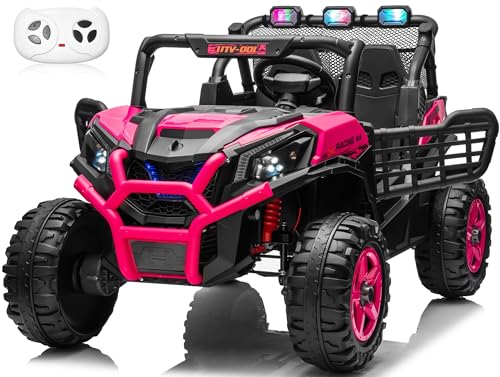
Best for grass
Six ride-ons that genuinely work on grass, chosen on voltage, motor count and tire material together.
Fastest
The six fastest vehicles in our registry by published top speed, with the age floor and gear each one needs.
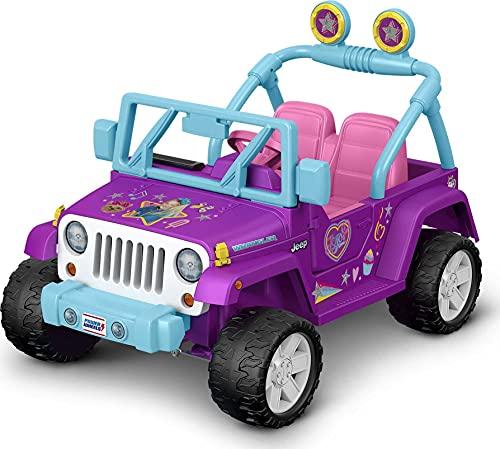
Best Power Wheels
The genuine Fisher-Price Power Wheels vehicle and parts in current supply, with the 130 lb limit explained.
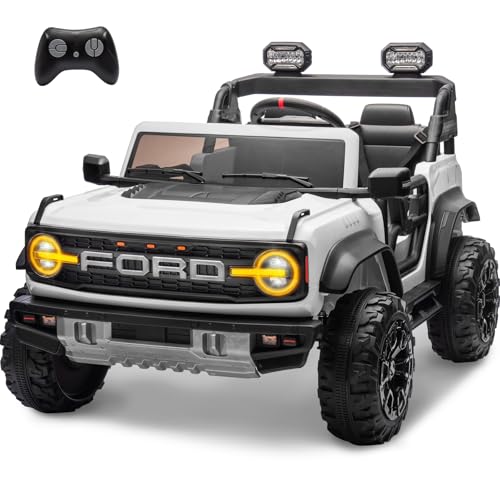
Best alternatives
Seven vehicles that beat Power Wheels on disclosure, parent control or price — and where they fall short.
Model reviews
One model per page, with its complete nine-spec sheet and an honest account of what the maker leaves out.
Genuine Power Wheels
The genuine 12V Power Wheels Jeep: 130 lb, two seats, a lockable 5 mph high setting and a real parts channel.
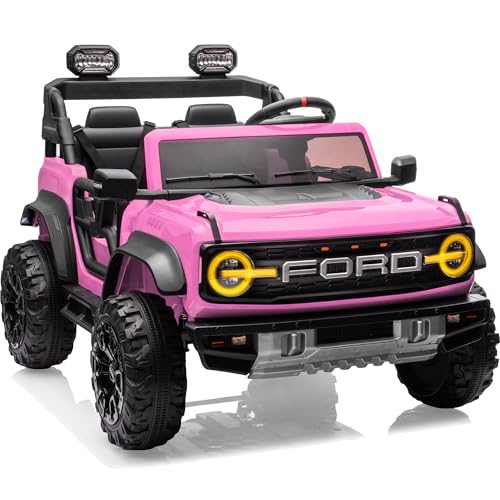
Best 24V off-roader
A licensed 24V Bronco two-seater with a 98-foot remote and a 2-hour run-time claim — and no published weight limit.
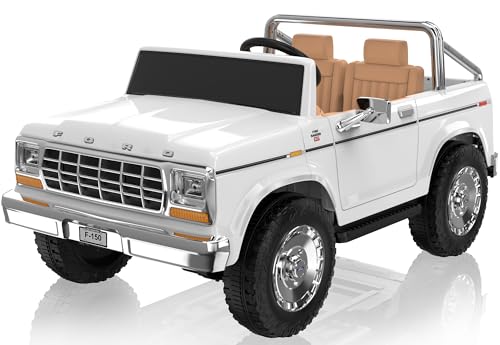
Most honest run time
A licensed 24V F-150 two-seater with a 130 lb limit, a 65-foot remote and a genuinely honest run-time range.
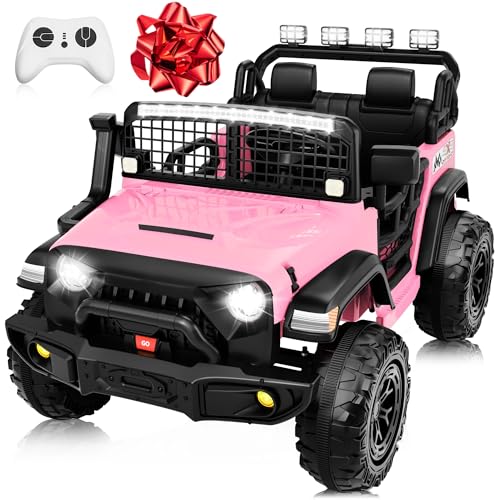
Widest bench
The widest two-seat bench we have found at 21 inches, with 800W of motors and a 110 lb limit.
Head to head
The decisions that stall a purchase, settled with the same nine specs on both sides.
Power Wheels vs Peg Perego
The two heritage brands compared on weight limits, build, parts and disclosure.
Power Wheels vs BCP
The premium brand against the value brand, on weight limit, remote, disclosure and price.
Reference
The explainers behind the picks — voltage, weight limits, run time, and what to do when something stops working.
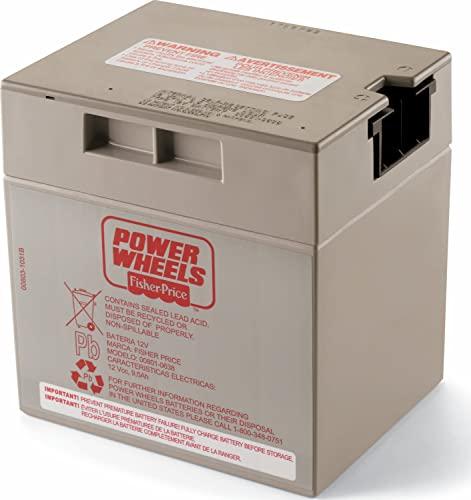
Longevity reference
Which part of a ride-on fails first, how long each component lasts, and the three repairs that double a vehicle's life.
Other categories