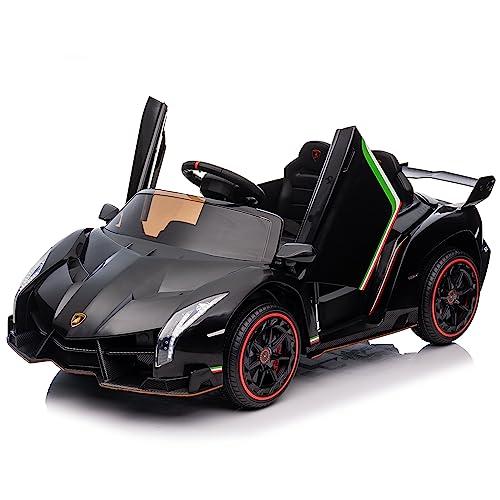
12V vs 24V
12V vs 24V ride-on toys
What actually changes between 12V and 24V — weight limit, motor count, grass ability — and when to pay for it.
Comparisons
The decisions that stall a purchase. Each one settled with the same nine specs on both sides, and a verdict by use case rather than a single winner.
How this page is funded: we earn a commission when you buy through our Amazon links, at no extra cost to you. It does not change which products we pick or what we say about them — the scoring rubric is published and applied the same way to every product. Full disclosure.
Price checked November 8, 2026
These are the decisions that stall a purchase. Not “which car is best” but “is 24V worth double the money”, “will two seats actually hold two children”, “does the licensed body buy me anything mechanical”. Each page below puts the same nine specifications side by side and gives a verdict by use case rather than naming a single winner, because the honest answer usually depends on your child’s weight and your yard.
The big one
If you only read one comparison, read 12V vs 24V ride-on toys. It is the decision that costs the most to get wrong in either direction — a 24V vehicle bought for a three-year-old is money spent on capability they cannot use, and a 12V vehicle bought for a six-year-old is a purchase with about a year in it. The short version is that the weight limit roughly doubles between the classes, and that is the number to decide on rather than the speed.
Also
6V vs 12V is the equivalent decision at the younger end, and the answer turns on whether the vehicle needs to cross grass. One seat or two is the one most often decided on the wrong information, because a two-seat body and a two-child weight limit are different specifications.
On the hardware side, rubber vs plastic tires is the upgrade with the biggest practical effect for the least money, and licensed vs unlicensed explains exactly what the badge premium does and does not buy.
And two brand questions that come up constantly: Power Wheels vs Peg Perego and Power Wheels vs Best Choice Products. Both come down to the same trade — documented specifications against build quality and parts availability — and the answer is genuinely different depending on which you value.
If you are earlier in the process than this, start with the age and size chart instead. There is no point comparing 12V against 24V until you know which weight band your child is in.
Comparisons
The decision that costs the most to get wrong, in either direction.
12V vs 24V
What actually changes between 12V and 24V — weight limit, motor count, grass ability — and when to pay for it.
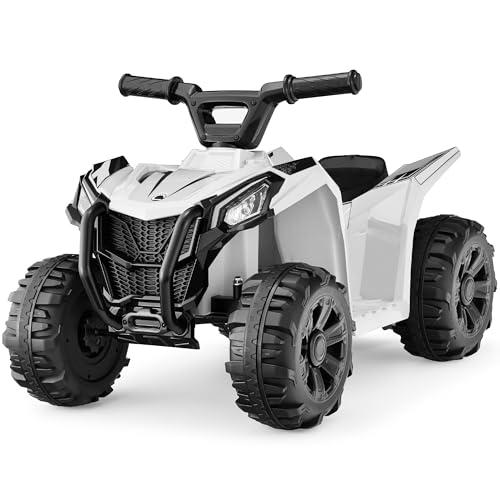
6V vs 12V
6V against 12V on speed, weight limit and grass ability, with the one question that decides it.
Comparisons
Seats, licensing and tires — the three choices that change the vehicle rather than the badge.
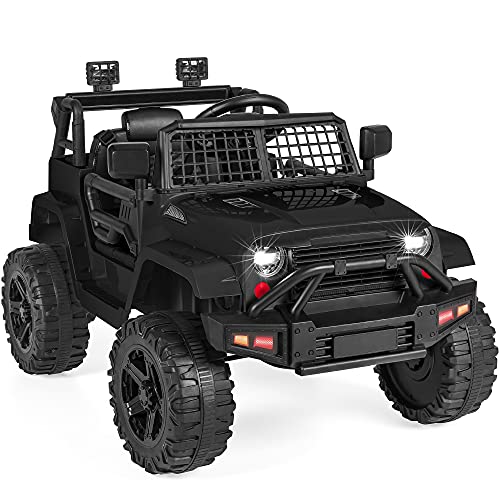
1 vs 2 seats
One seat or two, with the weight arithmetic that decides it and the case for a two-seater with one child.
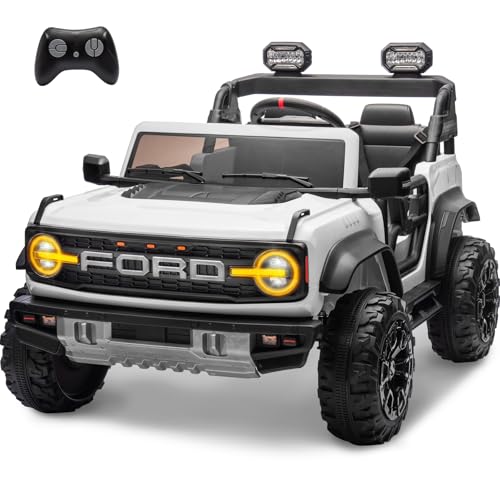
Licensed vs unlicensed
What an official vehicle license changes on a ride-on and what it leaves exactly as it was.
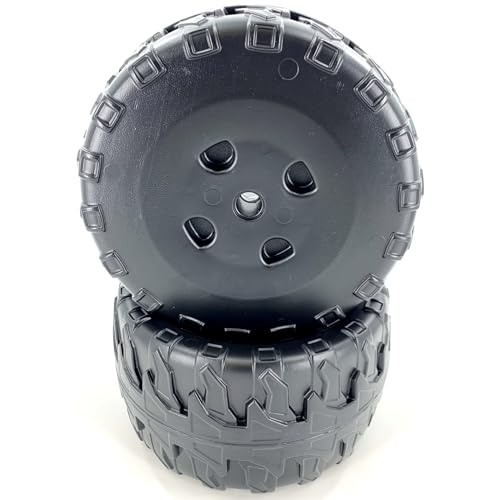
Rubber vs plastic
EVA and rubber against hard plastic on grip, noise and comfort, and whether retrofitting pays.
Comparisons
Documented specifications against build quality and parts availability.
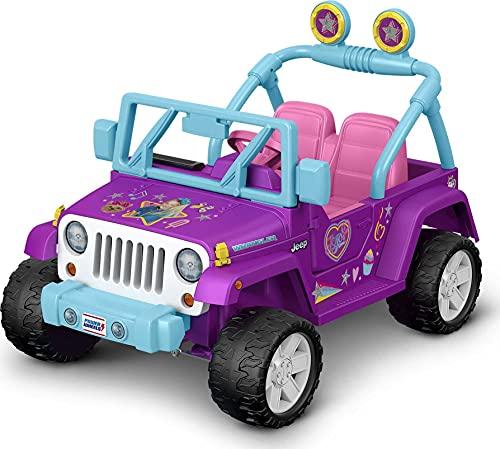
Power Wheels vs Peg Perego
The two heritage brands compared on weight limits, build, parts and disclosure.
Power Wheels vs BCP
The premium brand against the value brand, on weight limit, remote, disclosure and price.
Comparisons
When a ride-on might not be the right purchase at all.
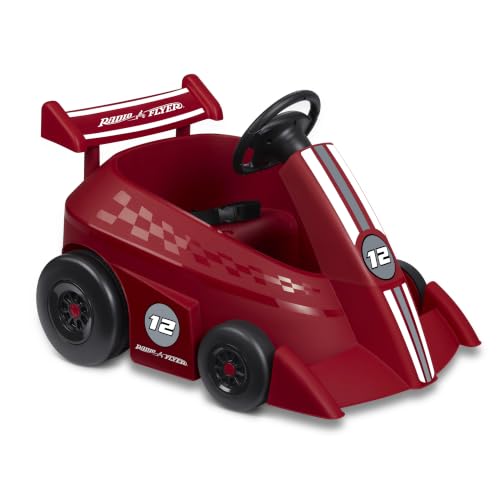
Car vs balance bike
What a ride-on car and a balance bike each do for a toddler, and why the honest answer is often both.