Maintenance reference
Ride-on toy maintenance
Fifteen minutes a season is the difference between a vehicle that lasts six years and one that lasts two. Here is exactly what to do and what each finding means.
Written by
Mike M. · owner, Iron Mako Media
Published November 5, 2026 · specs checked against each maker’s current listing
Price checked November 8, 2026
Verdict first
Quick picks
Fifteen minutes a season is the difference between a vehicle that lasts six years and one that lasts two. Here is exactly what to do and what each finding means.. Tap any row to jump to that model’s full write-up below, or go straight to Amazon from the price column. Prices last checked November 8, 2026.
| # | Product | Best for | Score | Price |
|---|---|---|---|---|
| 1 | 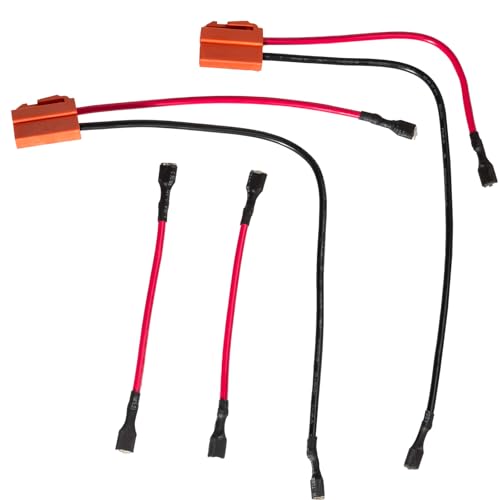 Ride-On Wiring Harness Battery Connector (6V / 12V / 24V) Keep one on hand | Replacing a melted connector | 8.0out of 10 | $12.88Amazon #ad disclosure |
| 2 | 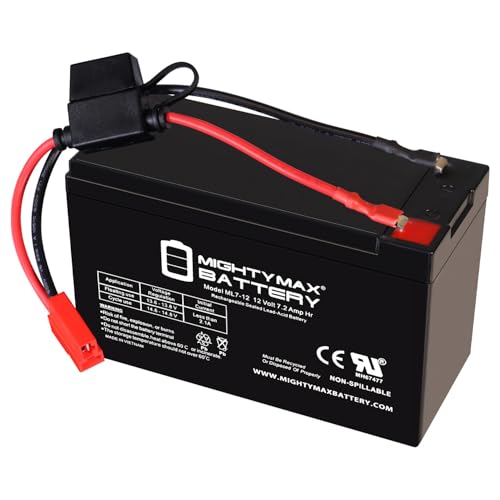 Mighty Max 12V 7Ah Battery Kit with Harness Battery plus harness | Replacing a damaged connector too | 8.3out of 10 | $42.99Amazon #ad disclosure |
| 3 | 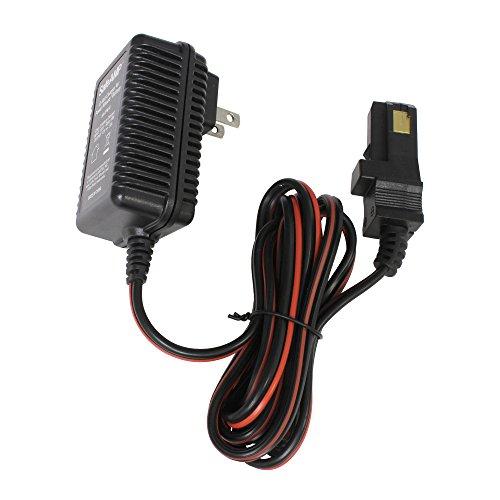 SafeAMP 12V Charger for Power Wheels Gray Battery A spare charger | UL Listed 12V replacement | 8.5out of 10 | $13.99Amazon #ad disclosure |
Scores are our own editorial ratings against the published rubric on how we pick. They are not customer ratings and they are not Amazon’s.
Ride-ons need very little maintenance, but the little they need is concentrated in the battery and the fixings, and neglecting either shortens the vehicle’s life by years rather than months.
Every session
The battery habit
One rule, and it matters more than everything else on this page: charge it after every session.
Sealed lead-acid batteries do not have a memory effect and they do not benefit from being run flat. They are damaged by sitting discharged, and every deep discharge costs capacity permanently. A battery charged after each use will give three years; the same battery left flat between weekends will give one.
The corollary: do not exceed the stated maximum charge time either. The genuine Power Wheels packs publish 18 hours as normal and 30 hours as the absolute maximum, and past that overcharging generates heat and damages the cells. Charge it overnight, unplug it in the morning.
Monthly
The five-minute check
Wheel and seat fixings
Vibration loosens everything. Go round the wheel nuts and the seat bolts with a screwdriver. A seat that rocks is almost always loose bolts rather than a cracked frame, and tightening it early stops the mounting holes wearing oval.
The charger lead
Look at where the cable enters the plug body and where it enters the connector. Repeated flexing cracks the insulation there first, and an exposed conductor on a mains-side lead is the genuinely dangerous fault on a ride-on. Replace rather than tape.
Battery terminals
A light gray powder is normal oxidation — wipe it off with a dry cloth. Green or white crust means moisture is getting in, which needs the storage fixed as well as the terminals cleaned. Disconnect the battery before cleaning.
Steering play
Some free play is normal. If the steering wheel turns an inch or more before the road wheels move, the linkage bushings are worn. It gets gradually worse and is not urgent, but it is worth noting the date so you can tell whether it is accelerating.
Gearbox noise
Listen as the vehicle pulls away, ideally with a child aboard. A new whine or grinding under load, especially on one side only, is gearbox teeth beginning to round off. Catching it early does not save the gearbox but it does tell you what to buy before the vehicle strands someone. See ride-on car won’t drive.
Seasonally
The fifteen-minute check
Test the battery under load
Charge it fully, then drive the vehicle. A battery that has lost capacity reads correct voltage with nothing connected and collapses within minutes of the vehicle moving. That is the distinctive end-of-life symptom and it means replacement, not another charge. See how long ride-on batteries last.
Open the battery compartment
Look for standing water, corrosion on the terminals, and discoloration on the connector. This is also the moment to check the leads are not pinched under a panel, which causes chafing and eventually a short.
Inspect the wheel hubs
The hub, where the axle passes through — not the tread. A hairline crack radiating from the axle hole is the start of the one failure that can hurt someone at speed. Replace in pairs, by manufacturer part number.
Weigh the child
The one nobody thinks of. They have grown since last season, and a vehicle that is now over its weight limit produces exactly the symptoms of a failing battery: slow, short run time, hot motors. Check the number before you buy a battery you may not need. See weight limits.
Worth owning
The three parts to keep on hand
- A spare charger ($10 – $14, UL Listed). The most commonly lost item, and the most common reason a vehicle is not ready when it is wanted.
- A wiring harness ($12 – $13). Covers the connector fault, which is both the most common electrical failure and the one that should not wait.
- A battery, once the vehicle passes two years. You will need it, and a vehicle sitting waiting for a $40 part through a whole summer is the usual way a ride-on quietly stops being used.
The chargers are on best ride-on car chargers, and the batteries by voltage on 12V and 24V.
Every pick in full
The picks, in detail
Each entry below carries the same nine specifications, taken from that model’s own current listing. Rows reading not stated by maker are specs the manufacturer does not publish — we show the gap rather than filling it in.
#1 · Keep one on hand
8.0 / 10
Ride-On Wiring Harness Battery Connector (6V / 12V / 24V)
ToiCottage
#ad · Price as of November 8, 2026 · how this is funded
A universal harness across 6V, 12V and 24V, with Kid Trax and UTV fitment named — the fix for a melted connector.
A melted or corroded battery connector is the most common ride-on electrical fault. This covers 6V, 12V and 24V and is cheap enough to own before you need it.
The nine specs
Source: the manufacturer's own published specifications on the current Amazon listing.
Our scoring
- Compatibility9.0
- Value9.0
- Urgency9.0
- Spec disclosure6.5
What works
- Covers all three ride-on voltages
- Named Kid Trax, Huffy and UTV compatibility
- A melted connector is the most common ride-on electrical fault
- Cheap enough to keep spare
What doesn’t
- Wire gauge is not published — matters most at 24V
- Universal fit means checking yours matches
- No fuse included
#2 · Battery plus harness
8.3 / 10
Mighty Max 12V 7Ah Battery Kit with Harness
Mighty Max Battery
#ad · Price as of November 8, 2026 · how this is funded
Battery plus harness in one box — the right buy when the old connector is corroded or melted rather than just flat.
The right buy when the connector is corroded as well as the battery tired — both faults usually arrive together, and this fixes them in one order.
The nine specs
Source: the manufacturer's own published specifications on the current Amazon listing.
Our scoring
- Compatibility9.0
- Value8.0
- Longevity8.5
- Spec disclosure7.0
What works
- Harness included — fixes a melted or corroded connector at the same time
- Mighty Max is a known battery brand with real support
- Standard 12V 7Ah
- Drop-in kit rather than a bare cell
What doesn’t
- Charge time not published
- Costs more than a bare battery
- You still need to match the harness to your vehicle's plug
#3 · A spare charger
8.5 / 10
SafeAMP 12V Charger for Power Wheels Gray Battery
SafeAMP
#ad · Price as of November 8, 2026 · how this is funded
UL Listed, which is the only charger spec that genuinely matters — it is plugged into a wall near a child.
UL Listed and cheap. A lost charger is the single most common reason a stored vehicle is not ready in spring.
The nine specs
Source: the manufacturer's own published specifications on the current Amazon listing.
Our scoring
- Safety9.5
- Compatibility8.5
- Value8.0
- Spec disclosure7.5
What works
- UL Listed — independently safety-tested
- Correct gray/orange Power Wheels connector
- Known brand with real support
- Direct genuine-charger replacement
What doesn’t
- Gray-connector vehicles only
- Output amperage is not published
- Costs more than unlisted no-name chargers
Questions parents ask
Frequently asked questions
How do I maintain a kids ride-on car?
Should I charge the ride-on battery after every use?
What does white crust on ride-on battery terminals mean?
My ride-on makes a grinding noise. What is it?
Which spare parts are worth keeping for a ride-on?
Where these numbers come from
Sources
- Battery Council International — lead-acid battery care
- CPSC safety guides and education materials
- UL Solutions — product certification and the UL Listed mark
Product specifications on this page are taken from each manufacturer’s own published listing. Where a manufacturer does not publish a figure, the row reads “not stated by maker” rather than carrying an estimate.
Read next